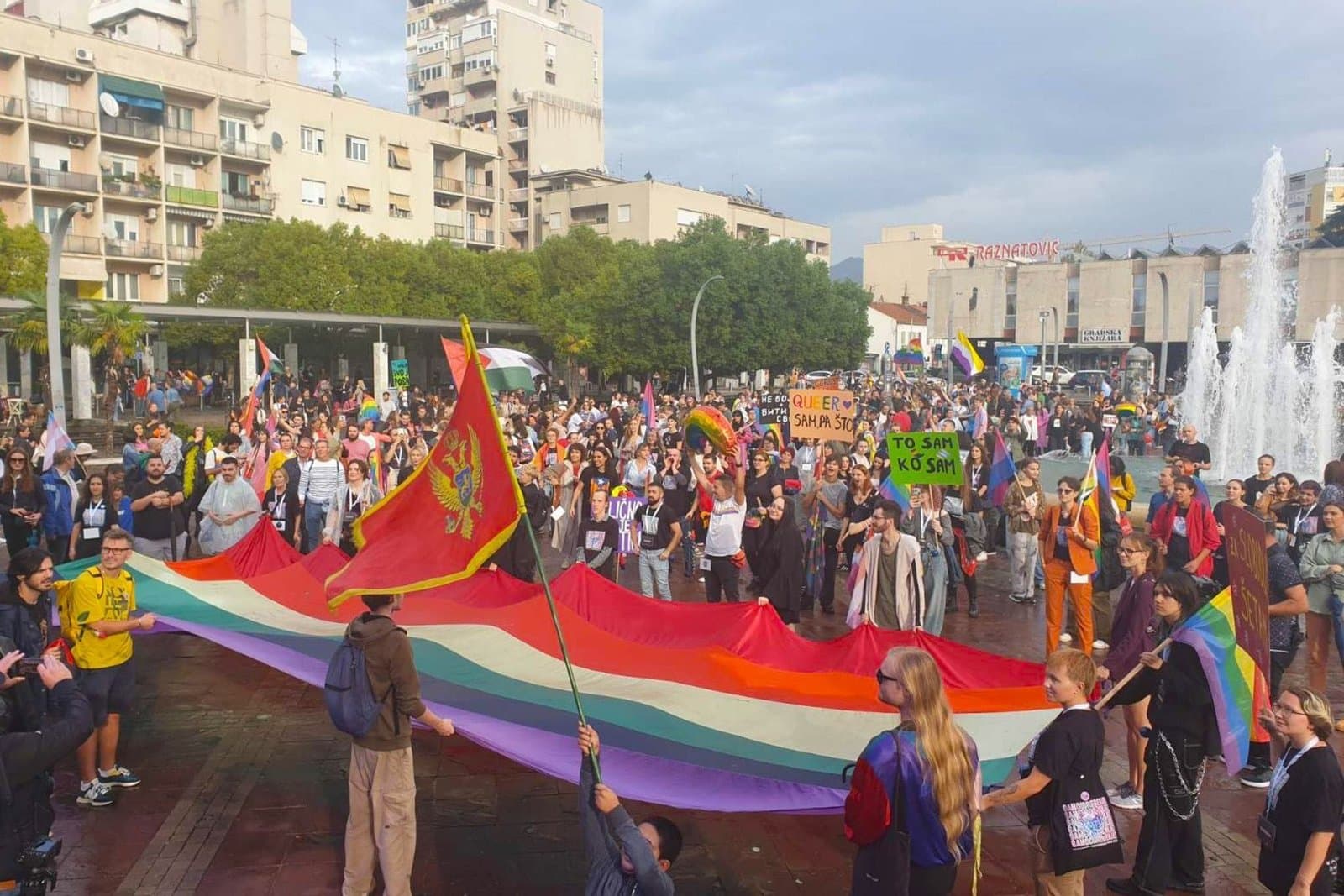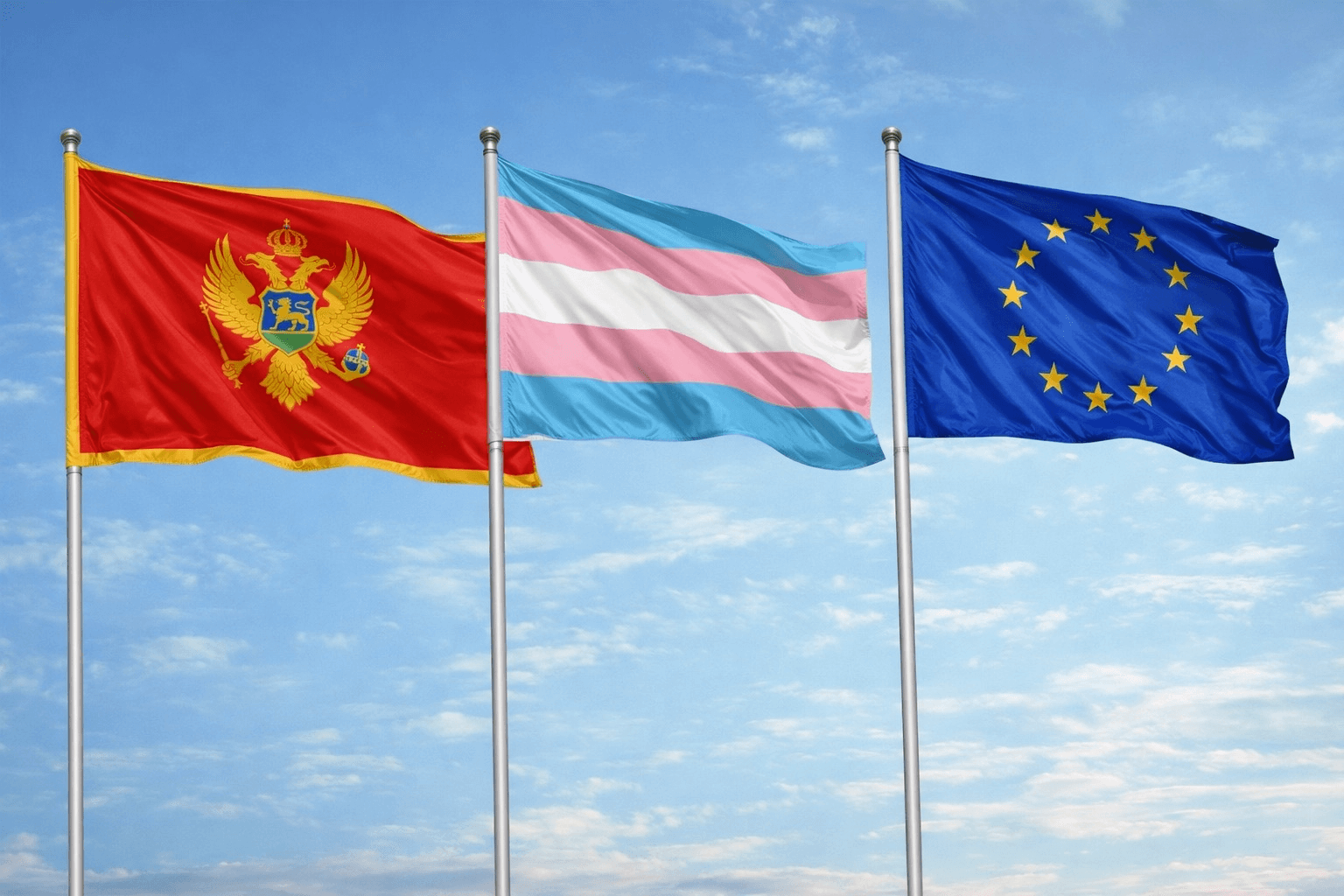
In the previous period, the Council of Europe and the European Parliament adopted resolutions demanding additional protection of transgender persons and the abolition of the inhumane practice of forced sterilization as a prerequisite for legal gender recognition. These resolutions are a direct reminder for the Government of Montenegro, which has not yet adopted the Law on Legal Recognition of Gender Identity based on Self-Determination, that they must fulfill this obligation to their citizens, especially as a country that aspires to be the first next member of the European Union.
The Council of Europe adopted a resolution on the prevention and fight against gender discrimination in health care, which specifically recognized specific discrimination against LGBTI persons, emphasizing that it, together with other forms of discrimination, has more long-term consequences for people’s health.
This resolution called on member states to remove any medical requirements, such as sterilization or other surgeries, that make it difficult for transgender people to access legal gender recognition. Also, the importance of educating health professionals on the topics of promoting respect for gender identities and preventing gender bias, during studies but also during the working career, as well as the importance of including women and LGBTI persons in decision-making bodies regarding health and health care, was emphasized.
Recently, the European Parliament also adopted a resolution on the forthcoming EU Strategy for Gender Equality 2026-2030, which additionally required the European Commission to ensure stronger, clearer and more comprehensive protection of trans persons within the future policies of the Union. This document confirmed that LGBTIQ+ people, especially transgender and intersex women, continue to suffer multiple forms of discrimination, which requires an urgent institutional response and the inclusion of their needs in key European strategies.
The resolution emphasized that no one should be subjected to inhumane practices such as forced sterilization and that the right to bodily integrity and autonomy is universal and unquestionable. Precisely because of this, the new resolution of the European Parliament additionally confirms the necessity of adopting the Law on legal recognition of gender identity based on self-determination in Montenegro, which would abolish this inhumane practice.
The resolution emphasizes that discrimination and violence against marginalized groups are still widespread, especially when it comes to transgender people who face serious obstacles in accessing health care.
In addition to the above, the European Parliament pays considerable attention to women’s poverty, emphasizing that transgender women are among the most vulnerable and often suffer the most severe consequences of economic insecurity. Forced sterilization contributes significantly to this situation, forcing them to choose between the violence of sterilization, or violence due to not having documents that correspond to their identity. We remind you of the research data conducted by the Spektra Association, which show that as many as 40% of transgender women have experienced some kind of discrimination at work, which further complicates their position and economic empowerment.
These resolutions represent a clear signal that European gender equality policy must include unambiguous and concrete measures to improve the position of trans people. With the advancement of the practice of the Court of Justice of the European Union when it comes to respecting the rights of transgender persons (the Mirin, Mousse, Deldits cases), these resolutions continue the trend of strengthening legal and institutional protection at the European level. This directly concerns Montenegro, which, if it aspires to be the next member, must harmonize its legal system with the strategies and legislation of the European Union.
It is also time to stop the outdated and inhumane practice of forced sterilization in Montenegro and to urgently adopt the Law on legal recognition of gender identity based on self-determination, which has been waiting for too long.