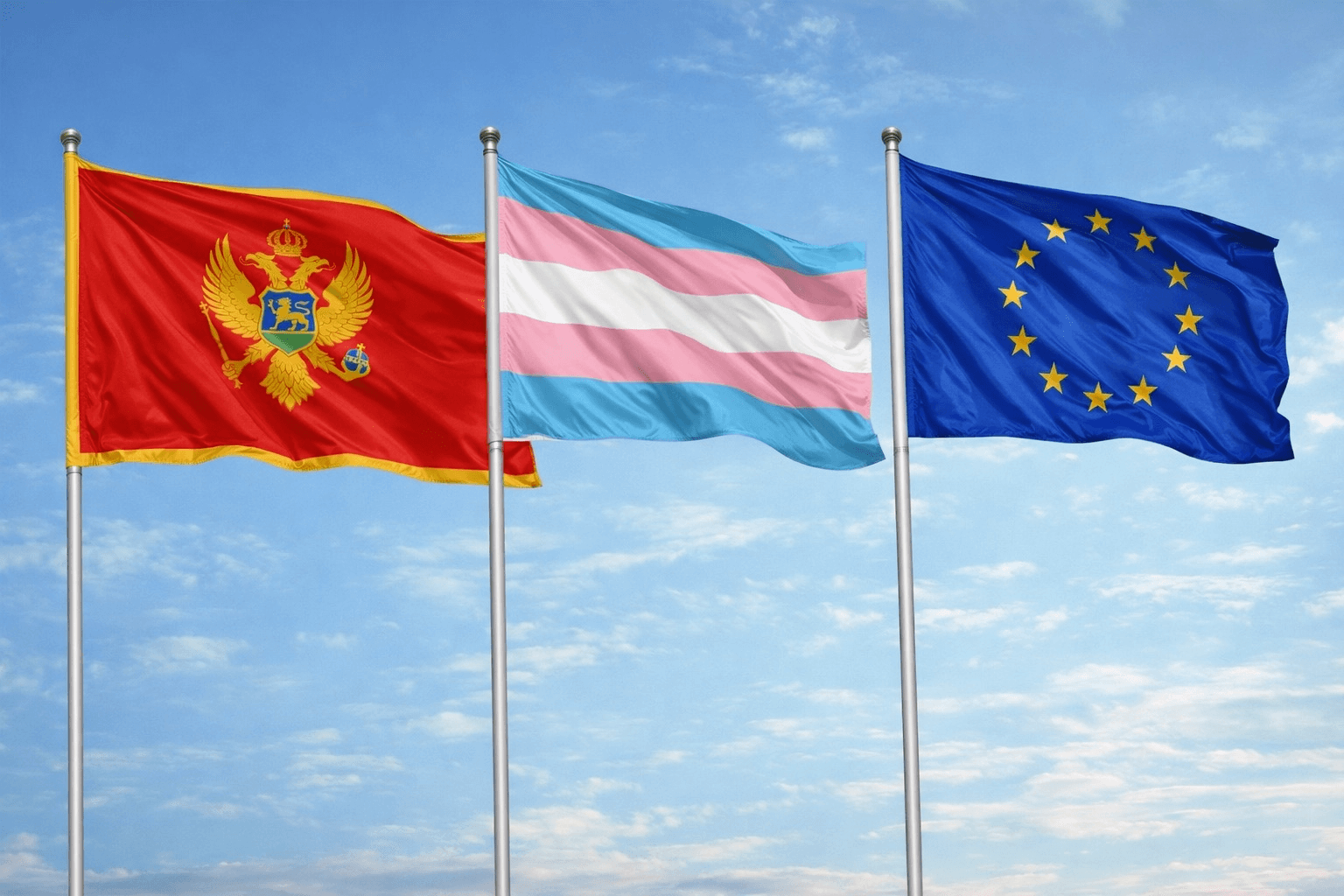

The European Parliament, by adopting the resolution on negotiating positions during the session of the United Nations Commission on the Status of Women, clearly confirmed the fact and common position that trans women are women, and that their human rights are an integral part of the European framework of gender equality and protection from violence. For Montenegro, as a candidate for membership in the European Union, this decision has a strong message: human rights must be a priority in the accession process, which is formally and recognized, at least through the documents it adopts and whose implementation it has committed to.
At a time of increased political pressure to relativize or challenge the rights of trans people, and putting the fight against the human rights of trans people at the center of the global right-wing agenda, this decision of the European Parliament represents an unequivocal position that basic human rights cannot be subject to political negotiation, and that there is no gender equality without the equality of transgender people.
The resolution was adopted by a wide majority (340 to 141 votes), including the largest part of the most influential political group in the Parliament, the European People’s Party (EPP), whose members aspire to be the ruling party in Montenegro, which confirmed that the protection of the human rights of trans people remains part of a wider European consensus through parties of different political profiles. This sent a strong political message at the European level that Europe stands in the position of defending gender equality and democracy, and resists attempts to instrumentalize the human rights of trans people, in order to undermine these efforts. This kind of resolution makes it clear that the European Parliament and the parties that make up it are ready to respond to agendas that will inevitably continue to be part of attempts in the global arena – to attack the democratization efforts of international institutions and the countries that participate in them through attacks on the trans community.
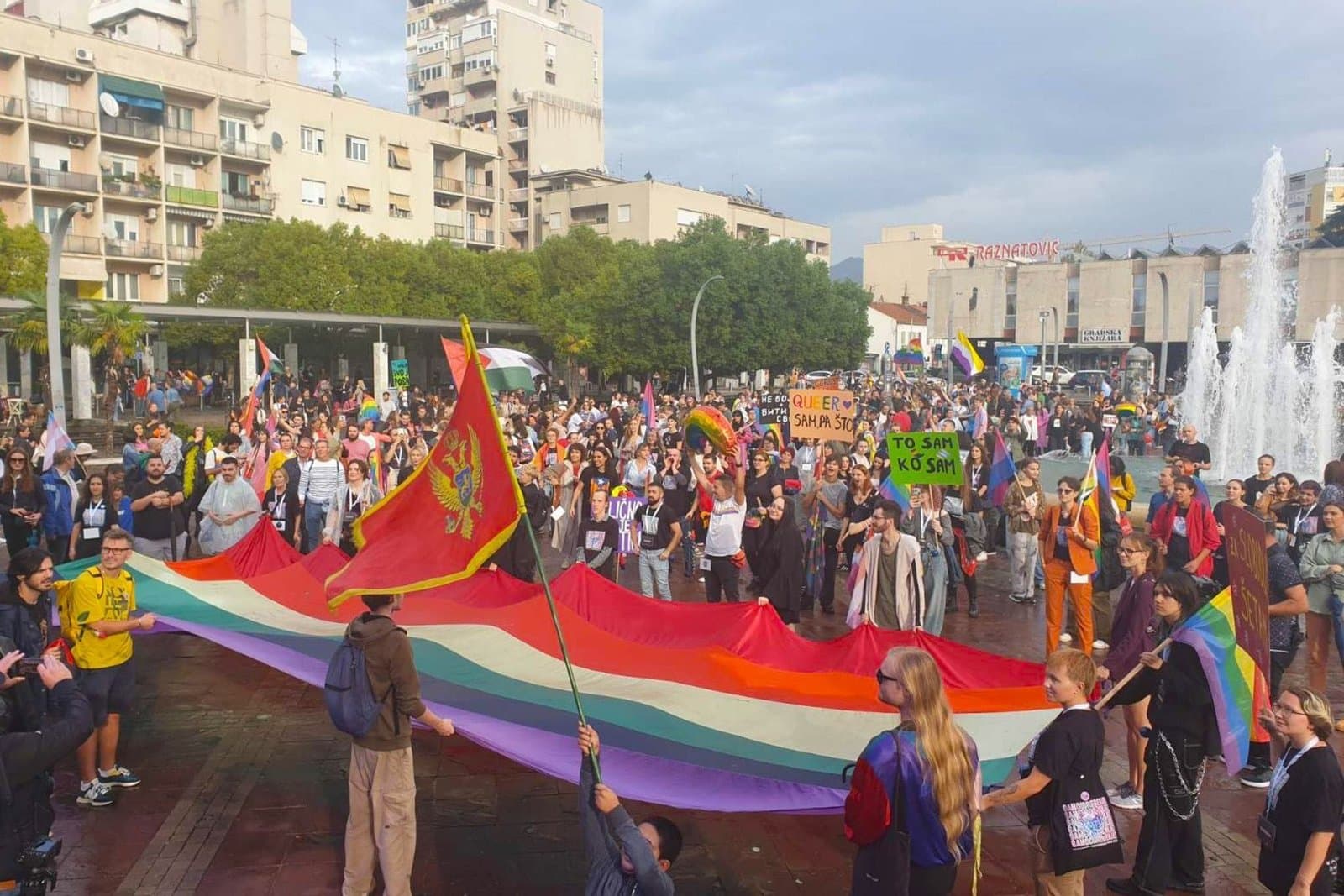
We note that the attacks on the human rights of trans people did not accidentally take over the central part of the current political discourse, but are part of a wider organized action of the global right, financed by the strongest centers of power, which, through identity conflicts, diverts attention from the issue of responsibility and concentration of power, and the space of public freedoms gradually narrows. Examples like Hungary, where the authorities restricted the right to protest to everyone by banning Pride, and showed how the criminalization of queer life is used as a lever for wider repression – from narrowing the right to assembly and freedom of movement, to the criminalization of resistance.
We remind you that in Montenegro the legal recognition of gender is still conditioned by the retrograde and inhuman practice of sterilization. Such a practice represents the grossest violation of the bodily autonomy and dignity of trans persons, and is contrary to European and international law. The adoption of the Law on legal recognition of gender identity based on self-determination, the adoption of which is part of the Action Plan for Chapter 23 and the EU Accession Program for 2026-2027, and planned for June this year, should finally put an end to this practice. The European Parliament sent a clear message about the direction of European politics on the international stage. Now it is up to the institutions of Montenegro to show whether they are ready to follow that direction with concrete legislative decisions.